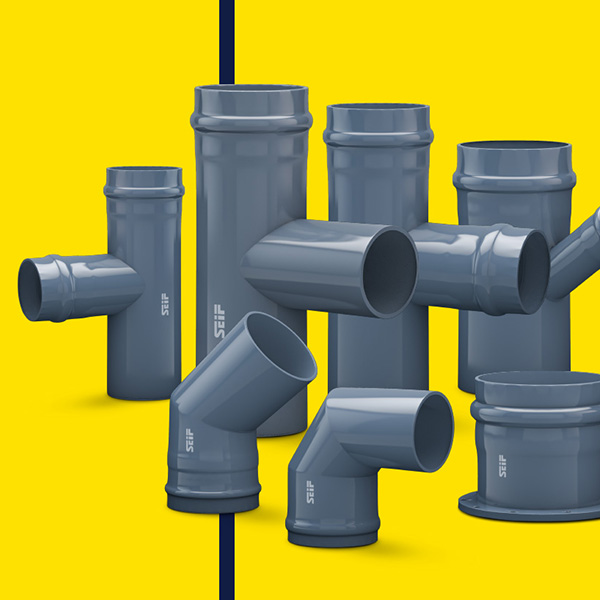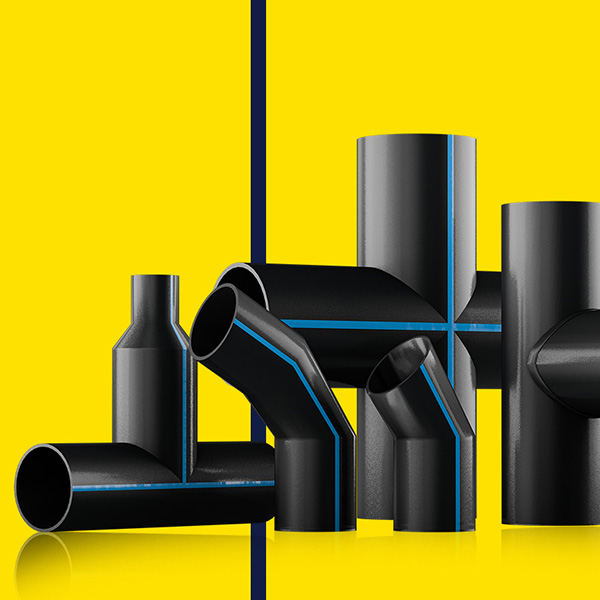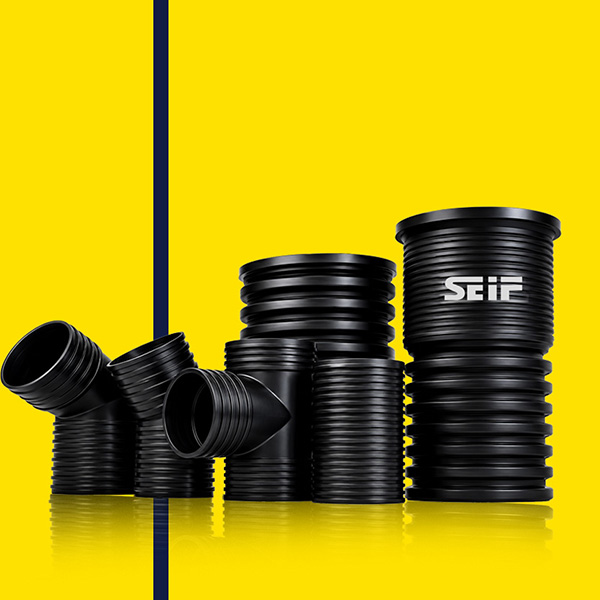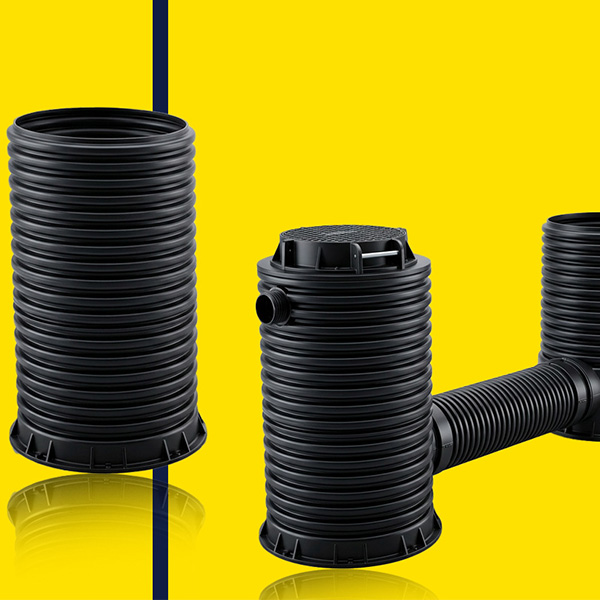
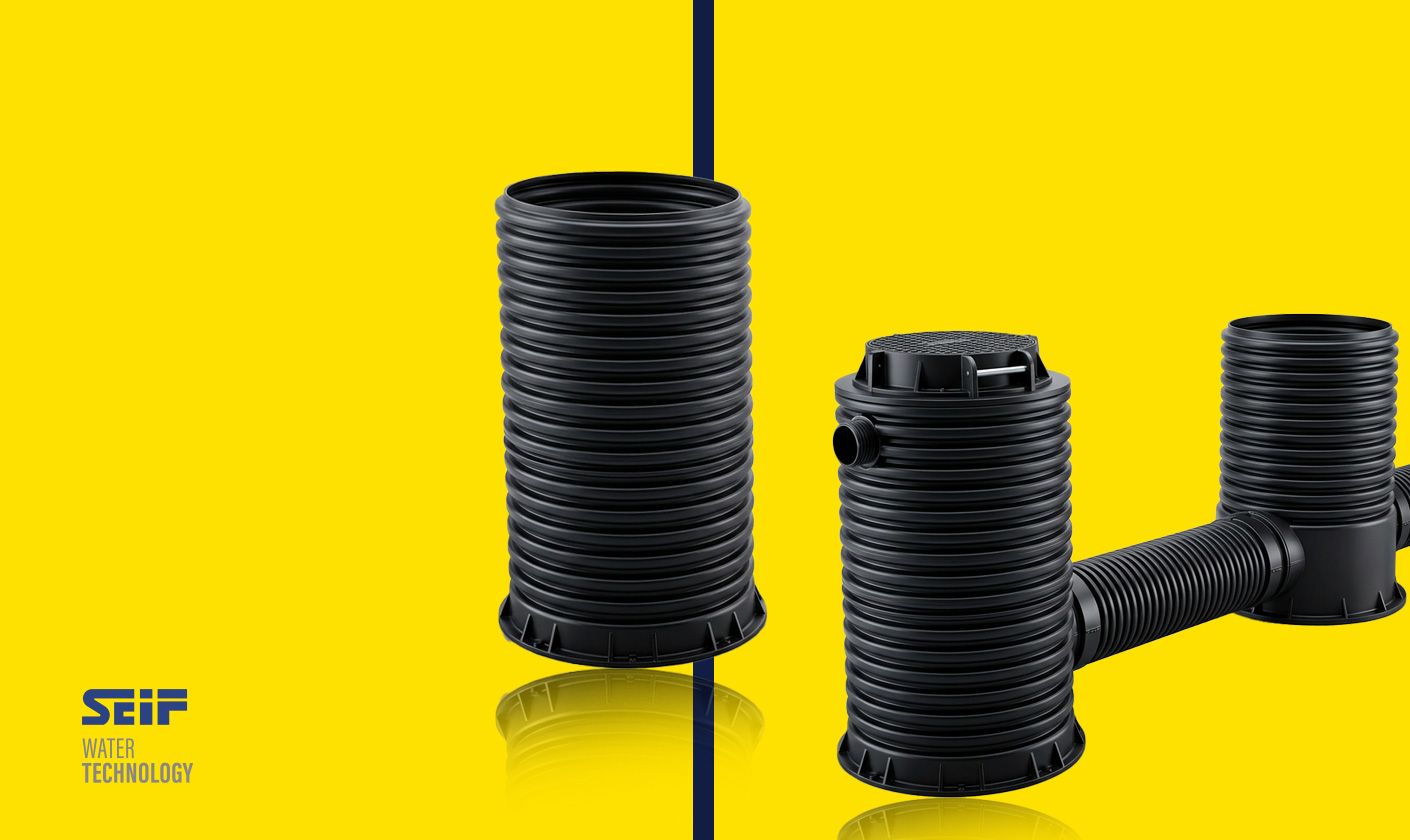
Manholes are essential components in sanitary sewer systems, serving key functions such as inspection, ventilation, flow control, and direction changes. Constructed entirely from high-density polyethylene (HDPE), they are supplied with appropriate top covers, with the option for concrete tops when required. To enable routine inspection and maintenance, manholes are strategically positioned at pipe bends, junctions, diameter transitions, and branch connections. Manufactured from the same HDPE material as the pipes, these manholes are joined to the system using compatible jointing methods. This ensures a fully integrated and homogeneous piping network with consistent material properties throughout.
The main advantages of the tangential manhole include its sustainable, flexible, lightweight, inspection-friendly, self-cleaning, durable, and cost-effective construction.
water valves chambers are used to cover water valves, those chambers are designed according to the excavation depth, chamber diameter, soil type and ground water level to determine the chamber ring stiffness needed.
When a flexible pipe, such as an HDPE profiled pipe, is subjected to vertical soil loads, it undergoes slight deflection. This deformation generates horizontal soil pressure that acts as a support. When the vertical and horizontal pressures are nearly equal, the load distribution around the pipe resembles a hydrostatic condition. In this state, the pipe wall is mainly subjected to circumferential (hoop) compressive stresses.
With increased burial depth, there is a higher risk of buckling. However, as the pipe deflects under vertical load, it mobilizes passive soil resistance along its sides. This interaction results in a ring deflection that significantly reduces the vertical load on the pipe itself. Instead, the load is transferred to the surrounding soil, which forms a natural arching effect over the pipe. In essence, when a flexible pipe like HDPE is buried, the pipe and the surrounding soil form a composite structure, working together to distribute loads and maintain system integrity.
We are providing different services in this sector to wide area of world with cleanest line of services.
Our factories are equipped with the latest German technology
Machinery to guarantee the highest quality products served by a professional team
Experienced quality control team.
- Quality tests
- Ring Flexibility
- Oxidation Induction Time Test
- Impact Test
- Melt Flow Index Test
- Ring Stiffness
- Creep Ratio
- Physical Properties
- Water Tightness Test
- Effect on Heating
At vero eos et accusamus et iusto odio digmos ducimus qui blanditiis praesentium voluptatum deleniti atque corrupti quos dolores et quas molestias excepturi sint occaecati .
Tightness test
When under 0.5 bar 15 min conditions according to joins welded with electro-fusion method according to TS 12132 standard. No leakage shall occur at the end of period.
Ring rigidity calculations
All structural calculations for SEIF profiled pipes are carried out based on the specific project conditions and in compliance with relevant DIN and ATV standards. The ring stiffness and external load resistance of SEIF spiral pipes are evaluated in accordance with ATV A 127, while product testing is conducted following DIN 16961 guidelines.
As a standard practice, durability calculations are performed with a safety factor of 2, ensuring the reliability and long-term performance of the pipe under operational conditions.
CPW (close profile wall)
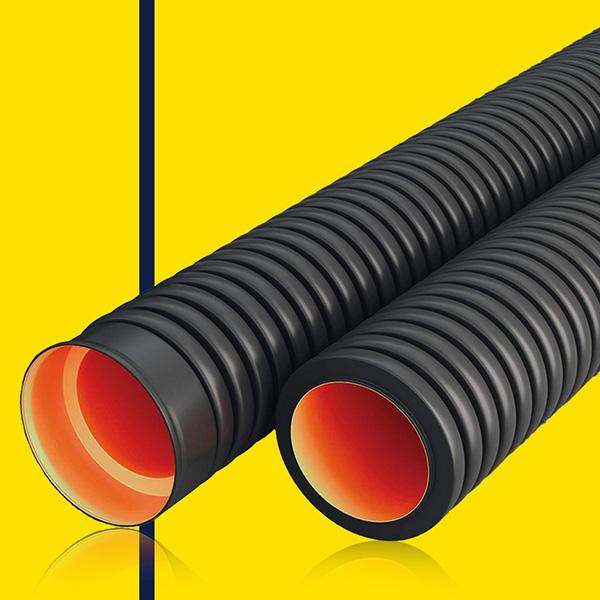
This type of profile pipe features a smooth interior and exterior surface, incorporating one or more internal profile layers. Its advanced structure provides exceptionally high long-term stiffness, making it an ideal solution for applications involving extremely high loads and large diameters.
SW (Solid wall pipe)
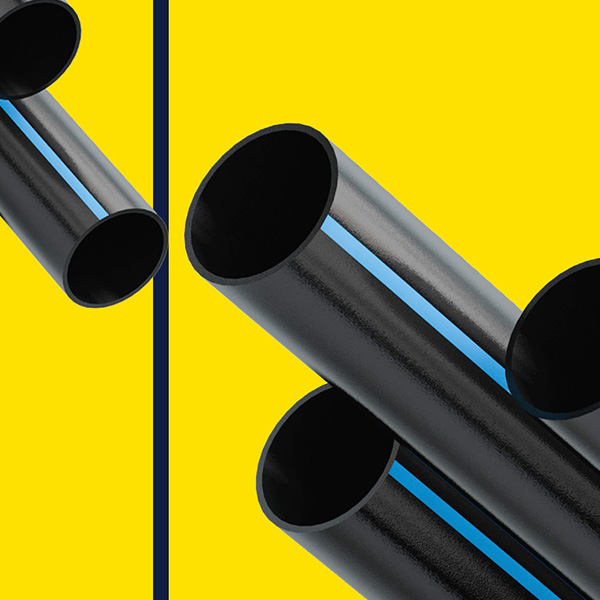
The SW type is a homogeneous, solid-wall pipe with smooth inner and outer surfaces. These pipes are suitable for applications involving internal working pressure. Wall thicknesses range from a minimum of 5 mm up to a maximum of 80 mm, allowing for use in a wide variety of pressure and structural requirements.